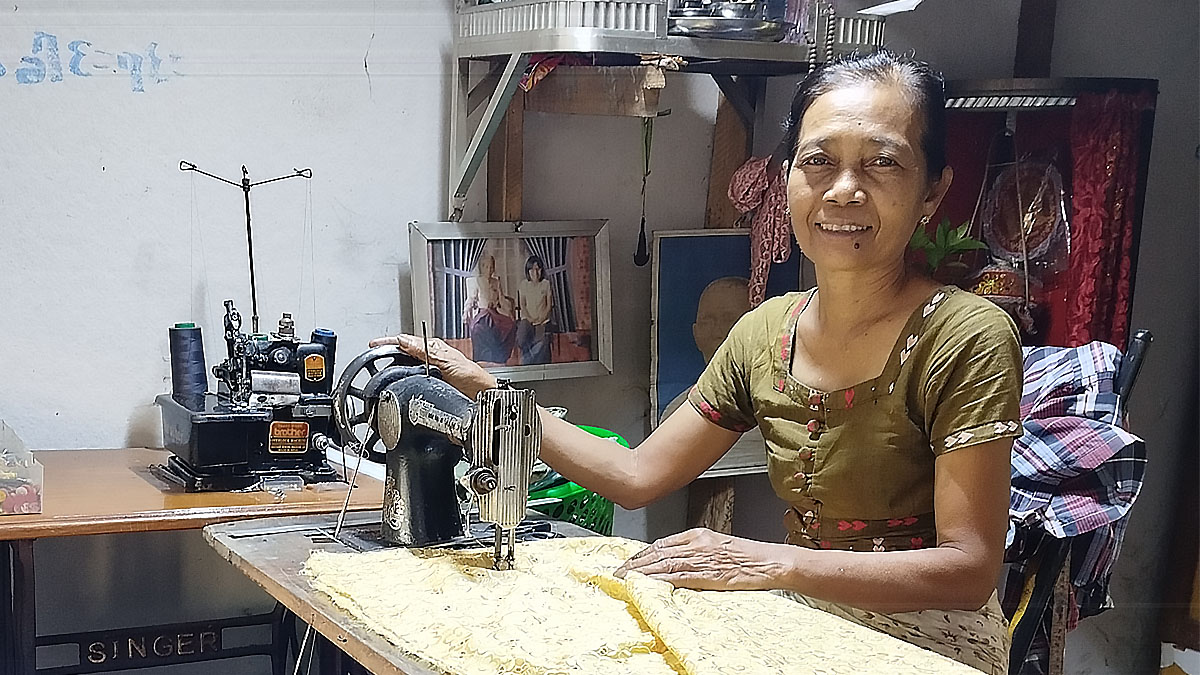
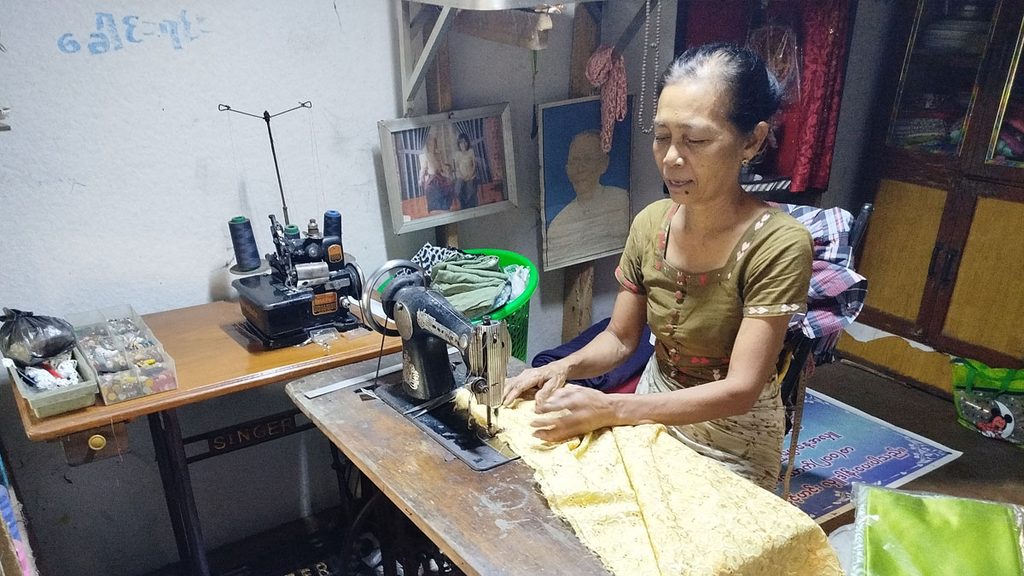
“My name is Yi Yi Cho. I am 55 years old. I work as a tailor, and my daily income is about 15,000 kyats (about AUD10.50). My husband is 40 years old and has no income. He suffers from a stomach illness. My daughter is 15 years old. I would like to invest more capital in my tailoring work.”
With a loan from our Urban Poverty Alleviation Program in Myanmar, Mrs Yi has been able to buy a sewing machine and start a tailoring business as her family’s only source of earnings. Previously, she was unable to use her existing sewing skills as she could not afford a machine.
Alleviating poverty
Since the 2021 coup in Myanmar, an estimated one-third of the population needs humanitarian assistance. More than four million people have been displaced.
Jesuit Mission’s Urban Poverty Alleviation Program accompanies vulnerable families in the overcrowded slums of Thingangyun, where over 200,000 people live in run-down thatched huts lining muddy lanes.
For many families, safe housing, access to education and opportunities to build a secure livelihood remain out of reach.
The program is run by the Jesuits in Myanmar and supported by our Australian Jesuit Mission family. Its focus on safe housing, microfinance and educational assistance, ensures that marginalised families can live safely and build a better future for themselves and their children.
Here are just some of impacts the program is having:
- Safe housing has created better living conditions. Sturdy new houses have been constructed for families who are deemed most at risk. These dwellings provide safety, privacy and protection from the tropical weather.
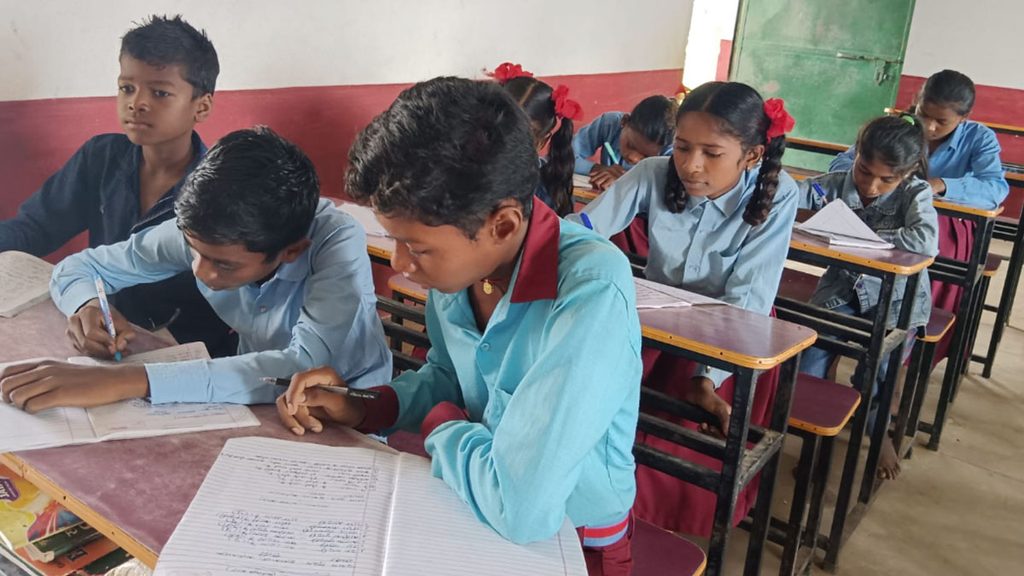
- Educational assistance is giving youngsters a brighter future. For students from families experiencing poverty, accessing additional study support can be challenging, particularly where homes are crowded or lack suitable spaces for study.
The introduction of Evening Study Centres in the slum has given students a safe, dry and well-lit place to study. Students are also supported by volunteer teachers from the slum area who run study groups each evening. - Microfinance is helping families pursue small livelihood opportunities and strengthen their financial skills. The small loans (approximately $US200) help families earn a livelihood and enable the purchase of trolleys, sewing machines, cycles and carpentry tools that they would otherwise have had to rent.
The families are also supported with business and financial management coaching. They pay a small amount of interest while repaying the loan (usually over one year), and this in turn helps others to access the funds.
A loan from the Urban Poverty Alleviation Program has enabled Mrs Yi to utilise her abilities and establish a sustainable source of income – a simple but tangible example of how microfinance support can help someone build on their existing skills and strengthen their livelihood.